Unlocking Sales With Lead Enrichment

By Mriganka Bhuyan
•Founder at Munch
Imagine you've got a lead. All you know is their name and email address. That's like having a pencil sketch of a person. You can see the basic outline, but all the important details are missing.
Lead enrichment is the art of taking that basic sketch and turning it into a full-color, high-definition portrait. It’s the process of layering on valuable data that brings your lead to life, giving your sales and marketing teams the context they need to actually understand who they're talking to.
What Is Lead Enrichment and Why Does It Matter?
Trying to sell with just a name and an email is like walking into a party and trying to make friends by just shouting your name. It's clumsy, completely ineffective, and you’re going to get some seriously strange looks. Lead enrichment is your social cheat sheet for that party; it hands you all the conversation starters you'll ever need.
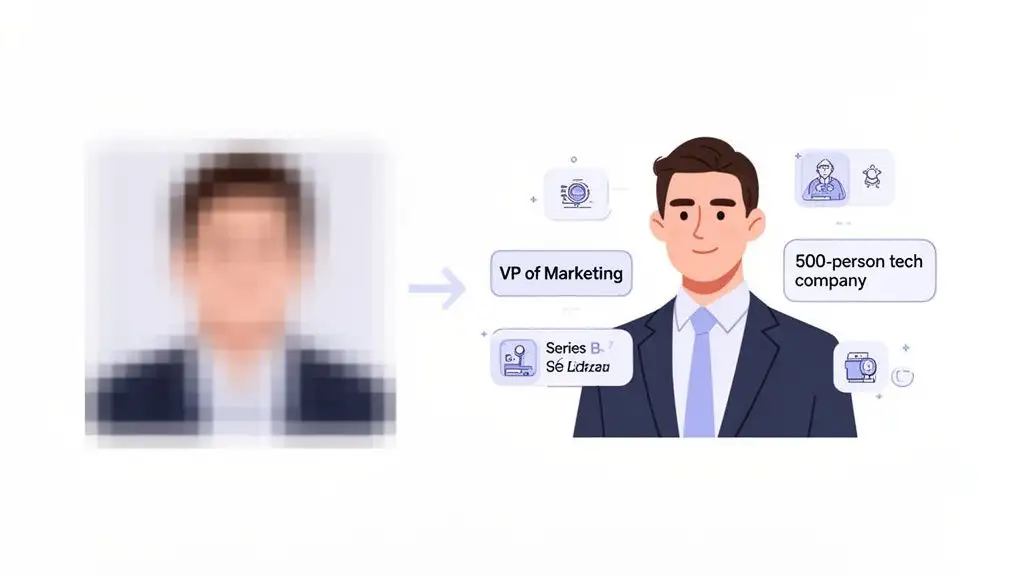
It’s the magic of transforming "Jane Doe, jane@email.com" into "Jane Doe, VP of Marketing at a 500-person SaaS company that just started hiring for sales roles and uses HubSpot." See the difference? One is a complete stranger; the other is a red-hot prospect just waiting for the right message. To see how this fits into the bigger picture of finding great customers, check out our guide on how to generate B2B leads.
Turning Cold Leads into Warm Conversations
Let's be clear: the real goal of enrichment isn't just to cram more data fields into your CRM. It’s about using that information to sound more human and be way more relevant in your outreach. The data backs this up, a whopping 71% of consumers now expect companies to deliver personalized interactions. Enrichment is what makes that possible without your team working 80-hour weeks.
Here’s what this process really does for your team on the ground:
-
Smarter Lead Scoring: You can finally separate the contenders from the pretenders. For example, a lead from a 500-person tech company with a "VP of Marketing" title gets a score of 95, while a lead from a 10-person agency with a "Marketing Intern" title gets a 25. This lets you automatically prioritize leads that perfectly match your ideal customer profile (ICP).
-
Next-Level Personalization: Forget generic templates. You can now write messages that reference a lead’s specific industry or company news. This is the difference between "Hi, want a demo?" and "Hey, I saw your company just landed its Series B. Huge congrats! I noticed you use Marketo, and we help companies like yours get so much more out of it."
-
A Shorter Sales Cycle: When you kick off the conversation with real context and immediate value, you build trust in record time. This is how you move prospects through the pipeline faster and more efficiently.
In short, lead enrichment changes the game. It shifts your sales process from a high-volume numbers game into a strategic relationship game. It’s about knowing your audience so well that your first email feels like you're continuing a conversation they were already having in their own head.
The Most Valuable Data to Supercharge Your Leads
Let’s be real: not all data is created equal. Knowing a prospect’s favorite Spice Girl probably won’t help you close a deal (unless you’re selling vintage platform sneakers). But knowing their company just landed a massive Series B funding round? That’s like finding the cheat codes to a video game you’ve been stuck on for weeks.
Winning at lead enrichment means focusing on the data points that actually move the needle. Think of it like building an intelligence dossier on your target accounts. You're not just collecting random trivia; you're gathering actionable intel that fuels smarter conversations and uncovers genuine opportunities.
So, what information should be in that dossier? It really boils down to a few key categories.
Firmographics: The Lay of the Land
First up, firmographics. This is the foundational stuff, the basic facts about a company. It tells you if you're even fishing in the right pond to begin with. Without this info, you're essentially sailing blind, hoping you just happen to stumble upon the right kind of customer.
These details help you qualify accounts in a heartbeat and make sure your team is spending its precious energy on prospects that actually fit your ideal customer profile (ICP).
You’ll want to look for:
-
Company Size: Is it a 10-person startup or a 10,000-employee beast? The number of employees is a huge clue about their budget, complexity, and buying power.
-
Industry: Knowing if they're in SaaS, manufacturing, or healthcare lets you speak their language. For example, you can say, "We helped another medical device company like yours solve X..." and pull out your most relevant case studies.
-
Annual Revenue: This is a classic, powerful indicator of a company's financial health and ability to invest in your solution.
-
Geographic Location: Crucial for territory planning, event invites, or navigating any location-specific compliance rules.
Technographics: Peeking Under the Hood
Next, we have technographics, which is a fancy way of saying "what tech are they using?" This is your secret weapon for spotting competitive takeaways or perfect integration opportunities. It’s like being a detective who already knows exactly what tools the suspect has in their toolkit.
For instance, if you sell a project management tool that plays beautifully with Slack and Jira, discovering a prospect uses both is a massive green light. Your outreach can then be hyper-specific: "I saw you're using both Slack and Jira, and I wanted to show you how our tool integrates with them to streamline your team's workflow."
Buying Signals: The Flashing Neon Signs
This is where it gets really fun. Buying signals are the real-time triggers that scream, "This company is looking for a solution like yours right now!" These are the most powerful data points because they signal active intent. Ignoring them is like ignoring a text from your crush that says, "You up?"
A buying signal transforms a cold prospect into a warm opportunity. It's the difference between knocking on a random door and knocking on a door where someone has already put out a "welcome" mat for your specific solution.
Keep your eyes peeled for these game-changers:
-
Recent Funding: A fresh injection of cash almost always means a new budget for growth and the tools to support it.
-
Key Executive Hires: A new VP of Sales or CMO isn't hired to keep things the same. They're brought in to shake things up and will be evaluating new tools within their first 90 days.
-
Hiring Sprees: If a company is suddenly hiring a dozen new SDRs, that’s a clear signal. You can reach out with a message like, "Saw you're rapidly expanding the sales team. As you scale, our training platform can help you onboard all those new reps in half the time."
Let's pull this all together. Here’s a quick breakdown of these essential data types and what they mean for your outreach.
Key Lead Enrichment Data Types
| Data Type | What It Tells You | Example Use Case |
|---|---|---|
| Firmographics | The basic DNA of a company (size, industry, location). | Segmenting your outreach to only target SaaS companies with over 50 employees in North America. |
| Technographics | The software and tools a company currently uses. | Identifying companies using a competitor's software to launch a targeted "switch and save" campaign. |
| Buying Signals | Timely events indicating an immediate need or intent. | Reaching out to a new CMO within 30 days of their start date to introduce your marketing analytics platform. |
| Contact Data | The direct-dials and emails of key decision-makers. | Ensuring your perfectly tailored message about their recent funding round actually lands in the new CFO's inbox. |
Ultimately, each piece of data adds another layer of context, helping you move from generic spam to a truly personalized and timely message.
Accurate Contact Data: The Final Piece
Finally, none of this intelligence matters if you can't actually reach the right person. Pitching the perfect solution to a bounced email address is the ultimate digital facepalm.
Accurate and verified contact data is the essential last mile. After all the strategic work, you need direct-dial phone numbers and, most importantly, 95%+ accurate email addresses to make sure your message hits home. For a deeper look, our guide on how to find business emails has some great, actionable strategies.
How Lead Enrichment Works Behind the Scenes
So, how does a simple email address magically blossom into a complete dossier on a potential buyer? It’s not some kind of dark art or a scene ripped from a spy movie. The whole process is more like a super-efficient, data-powered assembly line humming away in the background while you’re busy doing what you do best: selling.
It all kicks off with a single trigger. Maybe a prospect fills out a form on your site, you import a list of contacts from an event, or you get an alert about a new visitor. That one action sets off a chain reaction that’s way faster than it took to connect to AOL back in the 90s. Your enrichment tool grabs that first piece of information, like an email, and immediately gets to work. If you're curious about spotting those initial signals, our guide on how to track website visitors is a great place to start.
The Waterfall Enrichment Method
The best enrichment platforms use a clever system called waterfall enrichment. Picture it like this: you have a question, and you get to ask a series of experts, starting with the smartest one first. The system pings its primary, most reliable database for information.
If it strikes gold, awesome. If not, it just "cascades" down to the next data source, and the next, and the one after that. This layered approach is the secret sauce. It cross-references multiple providers to fill in every possible blank, ensuring you end up with the most accurate and complete picture of your lead, all without you lifting a finger.
This diagram shows how different layers of data are stacked on top of a basic lead record to build out a full profile.
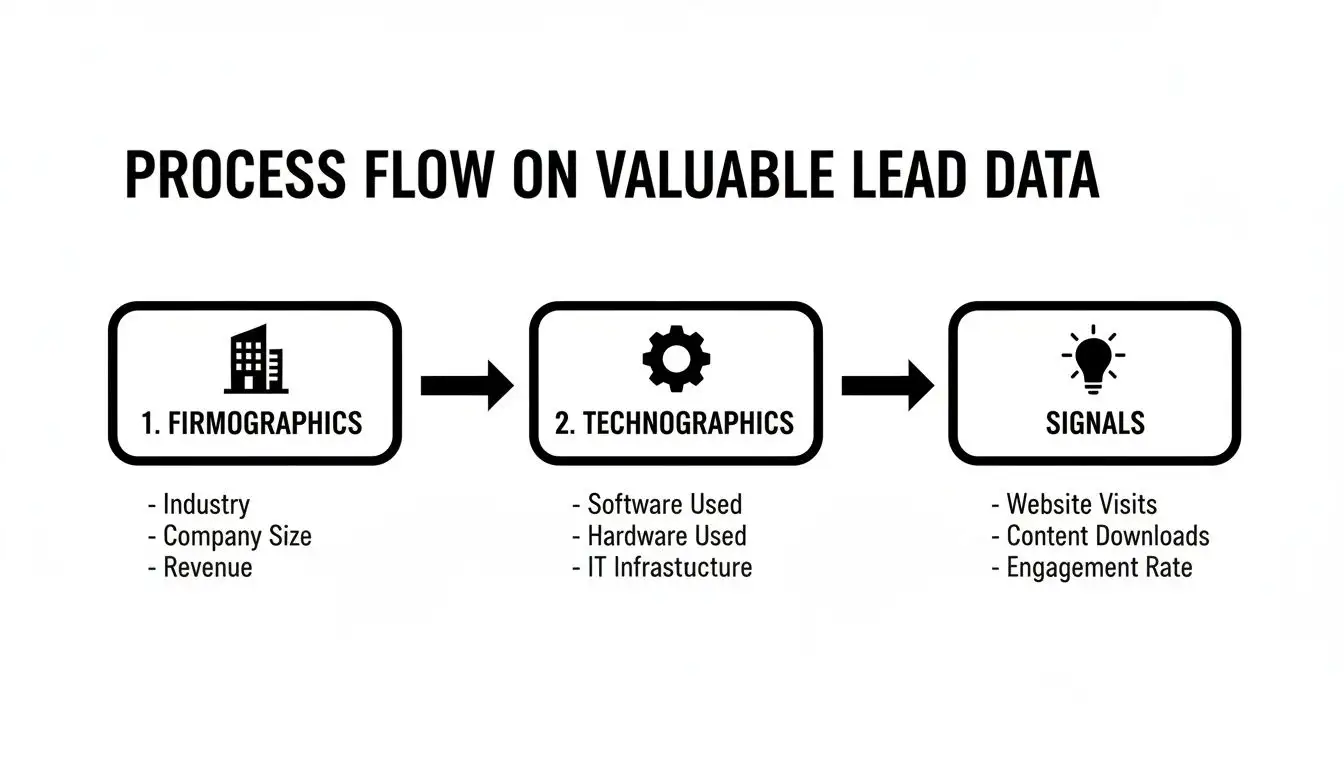
As you can see, it’s a progressive build, starting with company basics, adding their tech stack, and finishing with fresh buying signals.
Pro Tip: Use Munch to enrich your lead's data in a waterfall motion and craft personalized outreach messages.
From Trigger to Action in Seconds
Let's walk through a quick, real-world example. A prospect named Alex downloads your latest ebook, but only gives you their name and work email.
-
Trigger: The form submission instantly triggers a webhook, alerting your lead enrichment tool.
-
Enrichment: The tool starts its waterfall sequence, pinging multiple databases. It pulls back firmographics (company size, annual revenue), technographics (they use Salesforce!), and even some fresh buying signals (their company is hiring more sales reps).
-
Sync: In a matter of seconds, all this new data is automatically pushed back into your CRM. Alex’s bare-bones contact record suddenly has over 20 new, juicy data points.
-
Action: This update can then trigger another workflow. Alex is automatically assigned to the right sales rep and dropped into a highly personalized outreach sequence in a tool like Outreach or SalesLoft.
This entire dance happens in less time than it takes to skip a YouTube ad. It’s no wonder the global data enrichment market is on track to hit USD 4.58 billion by 2030. That’s a massive signal that businesses are all-in on this kind of automated intelligence. You can dig into the numbers in this market report.
The real magic of automated lead enrichment? Your sales team doesn’t even have to think about it. They just see a new, fully detailed lead appear in their queue, armed with all the context they need to kick off a conversation that actually matters.
Avoiding Common Lead Enrichment Traps
Lead enrichment is a true superpower for any sales team, but like any good superhero origin story, there’s a risk of things going sideways. With great data comes great responsibility, and a few common traps can turn your pristine CRM into a digital mess. Getting a handle on these pitfalls is the difference between closing more deals and just creating more chaos for yourself.
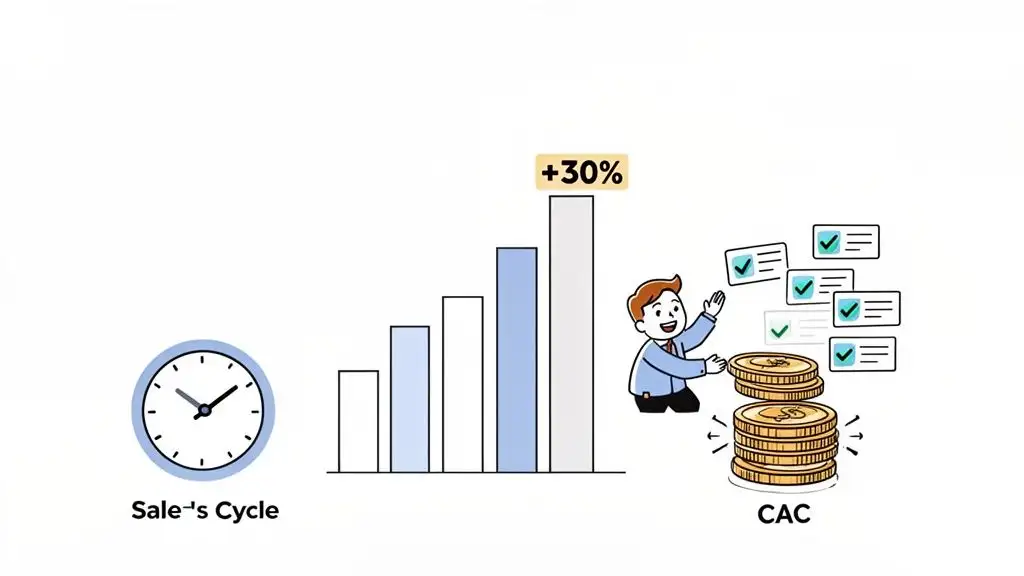
The first major mistake is putting all your eggs in one basket by relying on a single data source. Think of it like getting all your news from one loud, angry corner of the internet. A single provider might be a rockstar with technographics but totally drop the ball on direct dials, leaving you with huge blind spots. To get the full 360-degree view, you absolutely need to blend and cross-reference multiple sources.
The Problem with Stale Data
Another classic blunder is trusting old, outdated information. In the B2B world, data goes bad faster than a carton of milk you forgot in the back of the fridge. People switch jobs, companies get acquired, and tech stacks are swapped out all the time. A contact’s job title from last year is about as useful for your outreach as a map of Middle-earth is for your daily commute.
Stale data isn't just useless; it's actively harmful. It leads to bounced emails, awkward conversations with people who left their role six months ago, and a trashed sender reputation. Your lead enrichment process has to be a living, breathing thing, not a one-and-done data dump.
This means you need a system for continuous enrichment and what we call data hygiene. It's basically a regular health checkup for your CRM.
-
Schedule Regular Refreshes: Set up automated workflows to re-enrich your key accounts and contacts every single quarter.
-
Validate Before You Act: Don't skip this. Always use a tool with real-time verification for critical info like email addresses and job titles before launching a big campaign.
-
Monitor Job Change Alerts: These are pure gold. A key contact moving to a new company is one of the warmest leads you could ever ask for.
Overcoming Analysis Paralysis
Finally, there’s the trap of having too much data. It’s shockingly easy to drown in a sea of 50+ data points per lead, spending more time analyzing than actually selling. This is classic analysis paralysis. You're so overwhelmed by all the information that you can’t decide what to do next. It’s like being Joey Tribbiani from Friends staring at a giant menu; you want everything, so you end up ordering nothing.
The fix? Be ruthless about what data you actually pay attention to. Figure out the 3-5 key data points that directly influence your sales plays and build your entire strategy around them. For example, if your product is a perfect fit for companies that just hired a new VP of Sales, make that your primary trigger. Ignore all the other noise and focus on the signals that actually matter.
By sidestepping these common traps, you can make sure your lead enrichment strategy is a powerful asset, not just a confusing liability.
Choosing the Right Lead Enrichment Tools
Picking a lead enrichment tool can feel a lot like trying to find the perfect restaurant in a new city. You scroll endlessly through options, they all start to blur together, and you’re just terrified of making a bad choice you'll regret. The market is absolutely flooded with solutions, but narrowing it down to the right one really just comes down to a few key things.
First and foremost is data accuracy. Let's be blunt: if the data is wrong, you're just lighting money on fire. An enrichment tool that gives you outdated job titles or emails that bounce is worse than useless; it actively torpedoes your sender reputation and wastes your reps' precious time. A solid tool should be able to guarantee at least 95% accuracy on the basics, especially email addresses.
Next up is coverage. This is all about whether the tool can actually dig up info on the specific, niche accounts you’re chasing. A platform might brag about its massive database of Fortune 500s, but if your ideal customer is an early-stage fintech startup in Latin America, that database is about as useful as a chocolate teapot. Before you sign any contracts, always run a test list of your ideal customers through the tool to see what it can actually find.
Evaluating Your Options
When it's time to actually compare tools, you’ll find yourself at a fork in the road. Do you go for a specialized, standalone enrichment tool that does one thing exceptionally well, or do you opt for an all-in-one sales intelligence platform that bundles everything together?
There's no one-size-fits-all answer here. It really depends on your current tech stack and how your team works.
-
Standalone Enrichment Tools: Think of these as the specialists. They're laser-focused on appending high-quality data to the contacts you already have. They’re built to plug right into your CRM and are a fantastic choice if you've already got a great sales engagement platform and just need to feed it better, cleaner fuel.
-
All-in-One Platforms: These suites, which include a whole host of B2B lead generation software, roll lead discovery, enrichment, and outreach automation into a single package. For teams looking to simplify their tech stack and manage everything from one place, this can be a much more streamlined and cost-effective approach.
Must-Have Features for Modern Sales Teams
Beyond accuracy and coverage, a couple of features really separate the good tools from the great ones. Real-time enrichment is one of them, and it's non-negotiable. This means the moment a new lead hits your system, it's instantly fleshed out with fresh data and ready for your team to act on. When speed is the name of the game, you can't afford to wait.
Just as critical are buying signal alerts. These are the triggers that scream "reach out now!", things like a key executive switching jobs, a company getting a fresh round of funding, or a surge in hiring for a specific department. The best platforms surface these opportunities automatically, giving you the chance to strike while the iron is hot. With the U.S. digital lead generation ad spend soaring to $3.24 billion, a massive leap from pre-pandemic figures, it’s clear that automated enrichment isn't a luxury anymore; it's a necessity for staying competitive.
At the end of the day, the best lead enrichment tool is the one that slides into your team's workflow so smoothly you forget it's there. It shouldn't feel like another piece of software to manage, but more like a superpower that makes your entire sales engine smarter, faster, and way more effective.
Measuring the ROI of Your Enrichment Strategy
Alright, so you’re on board with lead enrichment. But now for the real final boss: convincing your higher-ups this new tool isn't just another shiny object burning a hole in the budget. To justify the spend, you need to show how it directly translates to more money in the bank.
Proving the return on investment (ROI) isn't about vague benefits like "increased efficiency." It's about hard math. We're going to line up the cost of the tool against the real, tangible value it generates, including recovered time and fatter deal sizes. It's less of a guessing game and more like being the detective in a 90s movie when all the clues finally snap into place.
The Real KPIs That Matter
To build a rock-solid case, you need to track the key performance indicators (KPIs) that actually move the needle. These are the metrics that draw a straight line from your enrichment efforts to revenue.
Here are the heavy hitters you should have on your dashboard:
-
Lead-to-Opportunity Conversion Rate: This is the big one. When your sales team starts with better-qualified leads, their conversion rates naturally climb. They're spending time on prospects who are actually a good fit, not just a name on a list.
-
Sales Cycle Length: Give a rep deep context before their first call, and you'll see them build rapport almost instantly. They skip the fluff and get straight to the point, which dramatically shortens the time from first touch to a signed contract.
-
Average Contract Value (ACV): Rich data helps your team spot the whales. They can identify high-value accounts, understand their specific pain points, and craft pitches that solve bigger problems, often leading to much larger deals.
Calculating Your Return on Investment
Let’s get down to brass tacks. Picture a sales team of five. Your new enrichment tool saves each rep just three hours a week of manual, soul-crushing research. That's 15 hours a week, or a whopping 60 hours a month, that's now being spent actually selling. The value of that reclaimed time alone can often pay for the tool.
The core idea is simple: you're trading a fixed software cost for a variable, and much larger, return in sales productivity and closed deals. This turns lead enrichment from a cost center into a powerful revenue driver.
As you start connecting enriched data to your most successful campaigns, the picture gets even clearer. The worldwide lead generation market is expected to triple to US$9.5 billion by 2028, and companies using AI are already reporting 50% more sales-ready leads. These numbers, pulled from some eye-opening lead gen statistics, show just how crucial enrichment has become.
A smarter lead enrichment process also makes you a master of prioritization. It feeds directly into a smarter lead scoring model, ensuring your team is always focused on the hottest prospects. To get the most out of your newly enriched data, check out our lead scoring best practices. When you can tie every dollar spent back to revenue earned, you'll have all the proof you'll ever need.
Ready to stop guessing and start selling with precision? Munch is the all-in-one platform that combines lead discovery, waterfall enrichment, and AI-powered personalization. Find high-intent prospects, get verified contact data, and launch outreach that gets replies. Discover how Munch can drive your revenue growth.