A Modern Guide to Lead Generation Outbound That Actually Works

By Mriganka Bhuyan
•Founder at Munch
Outbound lead generation is all about proactively hunting for your next best customer. Instead of waiting around for them to find you, you're the one making the first move, reaching out through email, social media, or even a well-timed phone call to get a conversation started and fill your pipeline.
The Great Outbound Revival: It’s Not Dead, It’s Just Different
Let's be real: the old "spray and pray" approach to outbound is about as effective as sending a fax to a Gen Z intern. It's not just dead; it's fossilized. The idea of blasting a generic email to thousands of contacts and hoping something sticks belongs in a museum, right next to dial-up modems and Blockbuster cards. If that’s your strategy, you’re not generating leads, you’re just generating spam reports.
But here’s the twist: the reports of outbound's death have been greatly exaggerated. Modern, data-driven outbound isn't just alive; it's crushing it. This isn't your parents' cold calling. It's a precision-engineered growth engine for B2B teams who need a predictable pipeline now, not next quarter.
Precision Over Volume: The New Rules Of Engagement
The magic ingredient separating the outbound that gets you marked as spam from the one that gets enthusiastic replies is simple: relevance. Today’s winners aren't building their success on massive, generic lists. They’re focusing on smaller, hyper-targeted groups of high-intent prospects, identified through buying signals like a company's recent funding round or a new executive hire.
It’s a complete flip of the old playbook.
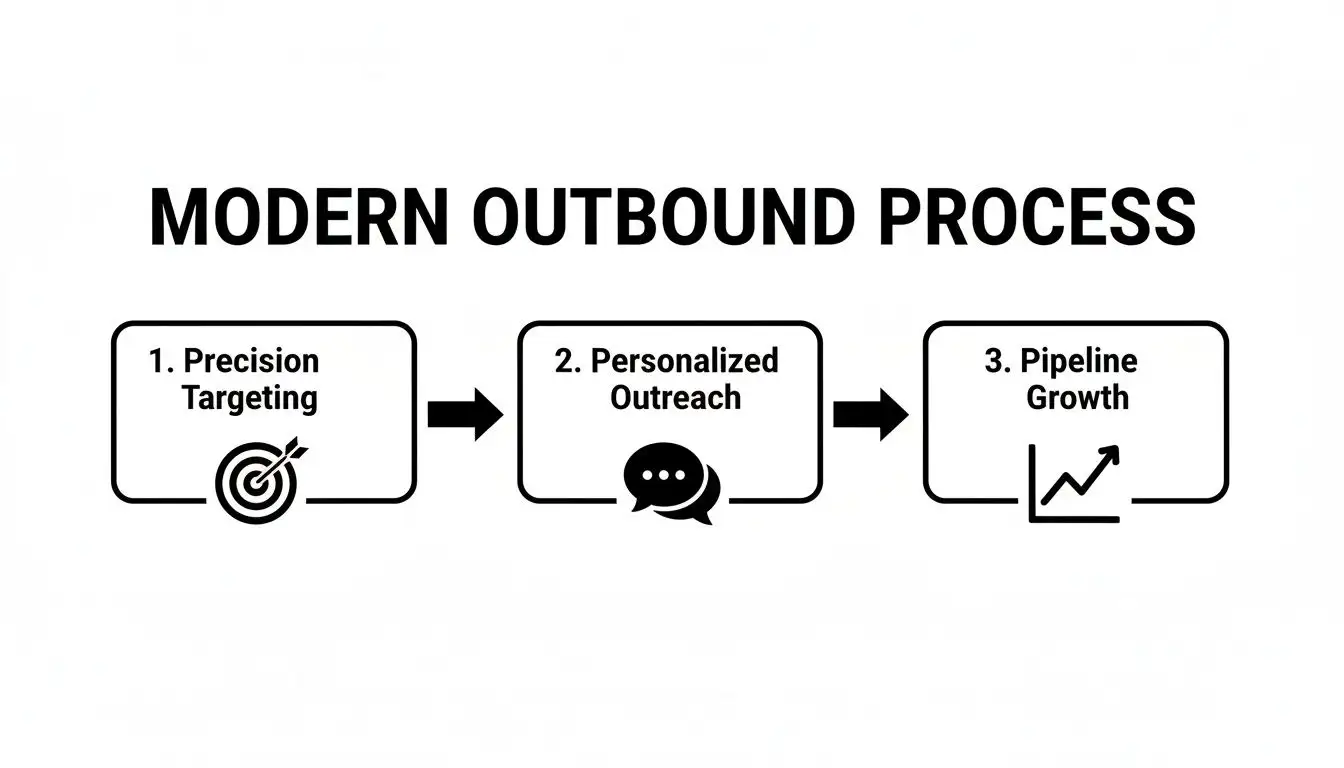
As you can see, it’s a tight, focused loop: pinpoint the right people, craft a message they actually care about, and watch your pipeline grow as a direct result.
This focused approach isn't just theory; it delivers stunning results. In the cutthroat B2B world, companies like AirOps completely overhauled their strategy and scored over 50 positive replies in a single week. Within eight months, they doubled their revenue. Then there’s Design Pickle, who booked a staggering 58 demos in just 14 days, nearly tripling their previous rate, by switching to a more targeted system. You can dig into more of these powerful outbound sales strategies to see exactly how it's done.
Modern Outbound vs. Old School Outbound: A Quick Comparison
To really drive the point home, let's look at a side-by-side comparison. The difference is night and day.
| Attribute | Old-School 'Spray and Pray' | Modern Precision Outbound |
|---|---|---|
| Targeting | Massive, generic, purchased lists | Small, hyper-focused lists based on real-time buying signals |
| Messaging | "Me, me, me" product pitch | "You, you, you" value proposition based on prospect's pain points |
| Personalization | "Hi {{first_name}}" | Deeply personalized using AI, citing specific events or content |
| Channels | Email blasts only | Multi-channel sequence (Email, LinkedIn, Calls, Video) |
| Goal | Book a demo, now! | Start a conversation, build a relationship |
| Metrics | Volume of sends, open rates | Positive reply rate, meetings booked, pipeline generated |
| Prospect Experience | Annoying, feels like spam | Helpful, feels like a relevant solution arrived at the right time |
The table makes it clear: one approach is a numbers game doomed to fail, while the other is a strategic play designed for today’s savvy buyer.
So, Why Does This New Approach Actually Work?
The new school of outbound thrives because it respects the prospect's time and context. Instead of a generic pitch that screams "I know nothing about you," you lead with genuine value based on something specific to them.
The goal is no longer to interrupt prospects but to engage them with timely, relevant information that solves a problem they are actively thinking about. This shift from interruption to engagement is what defines modern outbound success.
And it’s not just about what you say, but where you say it. Top-performing teams report 50% more prospect interactions when they use three or more channels, like email, LinkedIn, and targeted calls. This multi-channel approach makes sure your message gets seen by the right person at the right time, without ever feeling intrusive.
Ready to build this powerful growth engine for yourself? Let's dive in.
Defining a Laser-Focused Ideal Customer Profile
Let’s get one thing straight: if you're selling to everyone, you're actually selling to no one. It sounds like a cheesy marketing poster from the '90s, but it's the gospel truth for any lead generation outbound strategy that actually works. Before a single email is drafted or a LinkedIn connection is requested, you absolutely must know who you're talking to.
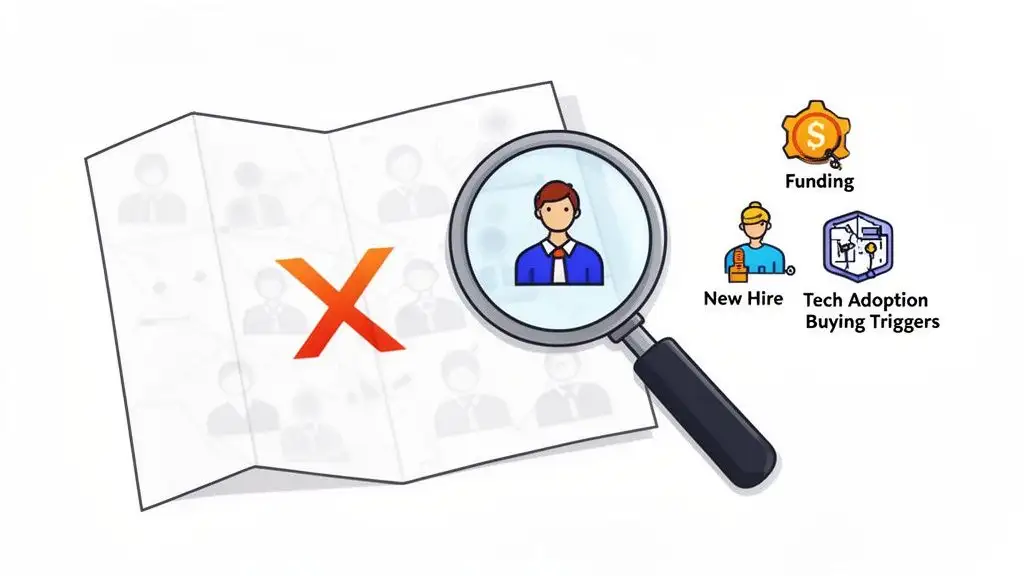
Forget those vague personas collecting digital dust in a shared drive. We're talking about building a living, breathing Ideal Customer Profile (ICP) that acts like a treasure map, leading you directly to the prospects who are eager to hear from you. Get this right, and every other step in your process becomes ten times easier.
Moving Beyond Basic Demographics
An old-school ICP might say something like, "We sell to VPs of Marketing in the SaaS industry with 50-200 employees." Okay, that’s a start. But it's about as specific as saying you're a fan of "music with guitars." You've just lumped thousands of wildly different companies, and people, into the same bucket.
A modern, truly focused ICP dives much, much deeper. It hunts for signals and characteristics that tell you a prospect isn't just a fit, but a fit right now. This means layering your standard firmographic data with something far more powerful: buying triggers.
The goal isn't just to find companies that could buy from you. The goal is to find companies that have a burning reason to buy from you today. A killer ICP is the filter you use to find that urgency.
Pro Tip: Use Munch to build your prospect lists based on any filter you can imagine and enrich them with accurate data to craft personalized outreach messages.
Identifying High-Impact Buying Triggers
Buying triggers are the real-world events that flip a company from "maybe later" to "we need this now." They signal change, growth, or pain, and that's where opportunity lives. Your entire ICP should be built around these moments.
Here are a few game-changing triggers to hunt for:
-
Recent Funding Rounds: A company that just landed a Series B has cash to burn and aggressive growth targets to hit. For example, if you sell recruiting software and a company announces a $20 million funding round to double its headcount, they're not a cold lead; they're a bullseye.
-
New Executive Hires: A new VP of Sales isn't hired to maintain the status quo. They’re brought in to shake things up, armed with a fresh budget and a mandate for change. Reaching out in their first 90 days is prime time.
-
Negative Keyword Mentions: You can use tools to track mentions of your competitors alongside words like "frustrated," "expensive," or "poor support" on social media. This is a direct line to a prospect's pain point.
-
Technology Changes: Is a target company suddenly using HubSpot? They're a perfect fit for your integration. Did they just drop a competitor's software from their tech stack? That's not a coincidence; it's an invitation.
When you build your prospecting lists around these triggers instead of static industry data, your outreach immediately becomes more relevant. This surgical approach is a core part of learning how to build a sales pipeline that doesn't run dry.
Finding Where Your Customers Live Online
Finally, a truly next-level ICP identifies the digital "watering holes" where your ideal customers hang out. It’s not about their city; it’s about their online footprint. Where do they get their information? Who do they actually listen to?
To finish your profile, find the answers to these questions:
-
Which LinkedIn groups are they actually active in (not just members of)?
-
What industry newsletters do they swear by?
-
Which podcasts or YouTube channels are on their must-listen list?
-
Who are the influencers in their space that they genuinely respect?
Knowing this stuff lets you show up in their world organically. You can comment on the same posts, reference the same thought leaders, and speak their language. Suddenly, your cold outreach feels a lot more like a warm, familiar conversation.
Alright, you've nailed down your Ideal Customer Profile. That's your treasure map. Now, let's go find where X marks the spot.
This isn't about blindly blasting every "VP of Sales" on LinkedIn. That's a rookie move. We're on a strategic hunt for people who are practically waving their hands in the air, signaling they need what you're selling. We're looking for buying signals, the digital breadcrumbs that tell you now is the time to reach out.
Your ICP tells you who to talk to. Intent data tells you when. Get this right, and you're no longer just a cold caller; you're a problem-solver showing up at the perfect moment.
How to Spot a Buyer in the Wild
Prospects are constantly dropping hints about their needs. The real trick is knowing what to look for and building a system to catch these clues consistently.
Instead of just grabbing a list of titles, think about the context. A VP of Sales is a good start. But a VP of Sales who started their job three weeks ago? That's a golden ticket. They're under immense pressure to make a splash, which means they're wide open to new tools and ideas.
Here are the signals I always keep an eye on:
-
Job Hoppers & New Hires: A new exec is a walking, talking budget with a mandate for change. Tools that flag these changes on LinkedIn the second they happen are your best friend.
-
Tech Stack Shake-ups: Did a target company just rip your competitor's software off their website? That’s not just industry gossip; it's a five-alarm fire drill to get in touch.
-
Fresh Funding: As we talked about, new investment is a dinner bell for smart sales teams. It means new projects, new hiring, and, you guessed it, new problems that need solving.
-
Sudden Growth Spurts: If a company suddenly posts 20 new sales roles, you can bet they’re scaling up and have a whole new set of operational challenges.
Focusing on intent is non-negotiable. Outbound B2B efforts drive a massive 60% of all marketing leads globally, but buyers have gotten way smarter. A staggering 80% of buyers are more likely to engage when they receive personalized outreach, which is just impossible without the right data and context. To really get why this matters, you can learn more about how modern B2B lead generation delivers ROI.
The Boring-But-Critical Step: Cleaning Up Your Data
So, you've found the perfect prospect. They tick all the boxes. You write a masterpiece of an email, hit send, and... bounce.
Ugh. A bad email address is so much more than a failed delivery. It’s a wasted opportunity, a dent in your sender score, and a little piece of your soul dying. This is where data enrichment and verification come in to save the day. It’s the difference between swinging for the fences and completely whiffing.
Manually digging for direct dials or trying to guess email formats (first.last@, first_l@, f.last@...) is a soul-crushing waste of a seller's talent. It just doesn't work.
A great lead list with bad data is just a list of names. A good lead list with verified, accurate data is a pipeline waiting to happen. Don't skip this step.
This is exactly why automated workflows exist. A waterfall enrichment process, for example, is a game-changer. It pings multiple data providers one after another until it snags a verified email and direct-dial number. This is how you can confidently hit 95%+ accuracy on your contact data without doing any of the grunt work yourself.
If you want to go deeper on this, we've put together a guide on the best lead enrichment tools out there.
Tying It All Together in One Workflow
The final piece of this puzzle is getting all your tools to play nicely together. Juggling one platform for finding leads, a second for enriching them, and a third for outreach is a recipe for disaster. It’s slow, messy, and data inevitably gets lost between browser tabs.
This is where a unified system comes in. You can find your high-intent prospects and instantly get their verified contact info in the exact same flow.
This screenshot shows how you can see all that juicy enriched contact and company data in one clean view, right when you need it.
It completely cuts out the manual copy-pasting and tab-switching that drains productivity, turning what used to be a clunky, multi-step process into a lean, mean, lead-finding machine.
Crafting Outreach That Doesn't Get Ignored
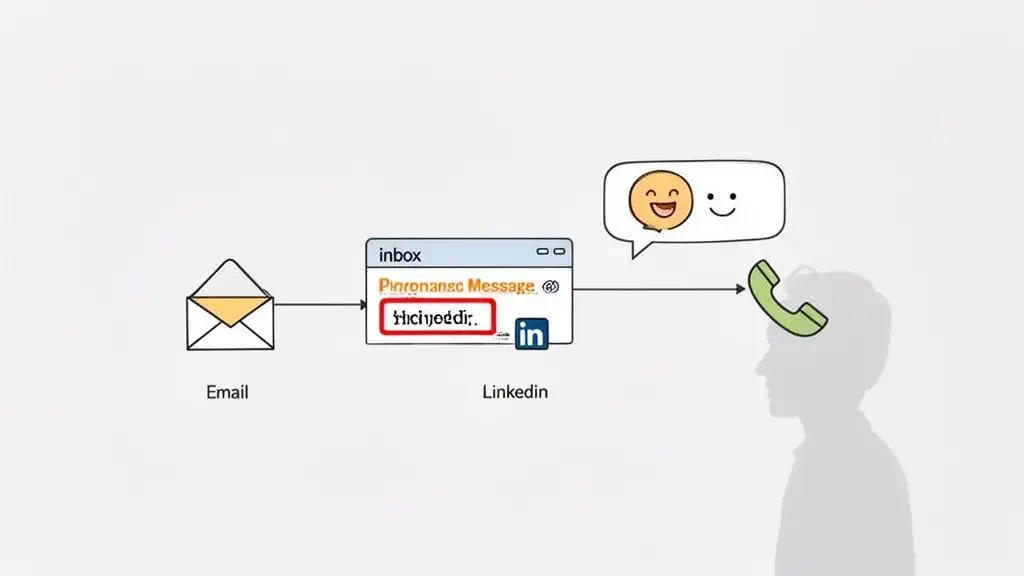
So, you've got your pristine, verified list of high-intent prospects. Now for the moment of truth. Let's face it, your prospect’s inbox is a battlefield, more crowded than a rush-hour subway car. To stand out, you need more than a generic template that screams, “I found you on a list.”
It’s time to graduate from the cringey, “Hi {FirstName}, I saw you work at {Company}” formula. That tired line has all the charm of a pop-up ad from 1998 and isn't fooling anyone. Modern lead generation outbound is about showing you’ve actually done your homework, not just that your mail merge fields are working.
Your Secret Weapon: AI-Powered Personalization
This is where you bring in the big guns. Instead of manually spending hours digging through a prospect’s digital footprint, AI-powered tools can instantly serve up the exact context you need for a killer opening line. This isn't about letting a robot write your entire email; it’s about using AI to find the perfect conversation starter.
Think of it like this: AI handles the recon mission, and you, the elite SDR, use that fresh intel to craft the perfect message.
What kind of intel are we talking about here?
-
Recent LinkedIn Activity: Did they just post a killer article about supply chain challenges? Mention a key takeaway from their post.
-
Company News: Did their company just launch a flagship product or open a new office? Congratulate them and connect it to how your solution supports that growth.
-
Job Changes: If they just got a promotion, a simple "Congrats on the new role!" shows you’re actually paying attention.
This is exactly how a tool like Munch can generate personalized snippets based on real-time data, giving you a powerful starting point. It instantly transforms your message from a cold interruption into a relevant, timely conversation that acknowledges their world.
The impact here is massive. Smart personalization flips the script, statistics show 80% of buyers are far more likely to engage with outreach that feels personal. Meanwhile, old-school cold tactics are a spectacular failure, with 97% of cold calls getting completely ignored.
Building a Multi-Channel Sequence That Actually Works
Relying on email alone is like trying to win a battle with only one soldier. A modern outbound strategy is a multi-channel dance, not a series of clumsy interruptions. You're aiming to create a sequence of touchpoints across different platforms that feels helpful, not harassing.
Your goal is to be professionally persistent, not personally annoying. A well-designed sequence respects your prospect’s space while ensuring your message gets seen. It’s a fine line, but it’s where the magic happens.
A great sequence tells a story. Each touchpoint builds on the last, adding a bit more value and context. It’s less about a hard sell and more about starting a real conversation.
Here’s a simple but brutally effective 7-day sequence you can adapt:
-
Day 1 (AM): Send a highly personalized email. This is your opening salvo. Lead with that AI-surfaced insight and a clear, low-friction call to action, try asking a question instead of demanding a meeting.
-
Day 1 (PM): View their LinkedIn profile. It's a subtle, non-invasive nudge that shows a real person is behind the email.
-
Day 3: Send a LinkedIn connection request. Keep the note short and sweet. "Hi [Name], enjoyed your recent post on [Topic]. Would love to connect." No sales pitch here, please.
-
Day 5: Send a follow-up email. This is your "value-add" touch. Link to a helpful resource, a case study relevant to their industry, or a short video explaining a key concept.
-
Day 7: Send a LinkedIn message. Now that you're connected, you can follow up here. Reference your email and ask a direct, relevant question.
This balanced approach dramatically increases your chances of getting a response without burning the bridge. If you're looking for some real-world inspiration, we've put together some fantastic cold email examples that get replies.
Always remember, the person on the other end is human. They appreciate authenticity and relevance. Craft your outreach with that in mind, and you won’t just get replies, you’ll start building relationships that turn into revenue.
Optimizing Your Outbound Engine with Smart Metrics
Running an outbound campaign without tracking the right numbers is like trying to drive a rally car with a blindfold on. Sure, you’re making a lot of noise and burning fuel, but you have no earthly idea if you're even on the track, let alone winning the race. This is where we ditch the guesswork and get strategic.
When you start focusing on the right data, you transform your outbound efforts from a hit-or-miss gamble into a predictable, scalable revenue machine. You stop wondering what works and start knowing.
Moving Past the Feel-Good Numbers
First things first: we need to ignore the vanity metrics. These are the numbers that look great on a chart but don’t actually tell you anything useful about your business. An email open rate, for instance, is the classic example.
Sure, a decent open rate is a good start, but it doesn't pay the bills. A prospect can open your email by accident while clearing their inbox and still have zero interest. It’s the difference between someone waving at you from across a crowded room and someone actually walking over to start a conversation. We care about the conversation.
Here are the numbers that really move the needle:
-
Positive Reply Rate: This is the undisputed king of top-of-funnel metrics. It’s not just about who replied, but who replied with actual interest. A high positive reply rate is the ultimate signal that your targeting and messaging are resonating.
-
Meetings Booked Rate: This one’s simple and brutal. It’s the most direct measure of your SDR team's success. Are your emails and calls actually turning into sales opportunities? This metric tells you.
-
Pipeline Generated: Now you’re speaking the language of the C-suite. This is the total dollar value of the qualified opportunities your outbound efforts have created. It’s the metric that connects your team's daily grind directly to the company's bottom line.
Your Crash Course in A/B Testing Like a Pro
To dial in those core metrics, you have to test your approach systematically. A/B testing isn't just for data scientists and marketing nerds; it's a salesperson's best friend. It’s all about making small, controlled changes to see what gets you a better result.
Think of it like being a DJ. You don’t just play one song on repeat. You’re constantly tweaking the mix, watching the crowd, and seeing which beats get people on the dance floor. That’s what we’re doing here.
Here’s a dead-simple framework to get started:
-
Test One Thing at a Time: This is the golden rule. Don't change your subject line, your call-to-action, and the entire email body all at once. If you do, you’ll have no idea which change actually made the difference. Isolate one variable per test.
-
Start with the Big Rocks: Begin by testing the elements that will have the biggest impact. A killer subject line can dramatically improve your entire campaign. Try a question-based subject versus a statement-based one and see what happens.
-
Give It Enough Runway: You need enough data to make a real decision. Don't declare a winner after sending 50 emails. Let your test run for at least a week, or until you have a few hundred sends for each version.
-
Analyze and Iterate: Once you have a clear winner, that becomes your new control. Then, you pick a new variable to test against it. This isn't a one-and-done deal; it's a constant cycle of improvement.
Never, ever assume you know what works best. The market changes, buyers evolve, and the killer campaign you ran last quarter might completely flop today. The data from your A/B tests is your only source of truth.
Setting Up Your Review Rhythm
Data is totally useless if it just sits on a dashboard gathering digital dust. To make your metrics actionable, you need a consistent review cadence. This is what keeps the entire team aligned and laser-focused on getting better every single day.
A simple weekly and monthly review framework can work wonders.
Let’s break down the essential metrics you should be living and breathing.
Essential Outbound Metrics and Their Meaning
This table cuts through the noise and shows you exactly what to track and why it's so important for building a high-performing outbound machine.
| Metric | What It Measures | Why It Matters | Good Benchmark |
|---|---|---|---|
| Open Rate | Percentage of recipients who opened your email. | Indicates subject line effectiveness and sender reputation. | 40-60% |
| Reply Rate | Percentage of recipients who replied to your email. | Shows if your message is compelling and relevant. | 5-10% |
| Meetings Booked | The number of qualified meetings scheduled. | The primary output of top-of-funnel outbound activity. | 1-3% of contacts |
| Lead Quality Score | A score indicating how well a lead fits your ICP. | Ensures you're chasing the right opportunities. | Varies by model |
By focusing on these numbers, you get a clear, unbiased picture of what’s working and what needs fixing.
This data-driven approach also helps you sharpen your lead qualification over time. When you analyze which types of prospects are actually booking meetings and entering the sales pipeline, you can go back and refine your initial targeting for even better results.
For a deeper dive, check out our guide on lead scoring best practices to learn how to assign real value to your prospects and focus your energy where it counts.
Your Burning Outbound Questions, Answered
Alright, so you're ready to build a killer outbound machine, but you've got a few questions rattling around. That's a good sign. It means you're thinking strategically. Let's cut through the noise and give you some straight-up answers.
Think of this as the "ask me anything" session you wish you had before diving headfirst into a new project. Let's get these questions sorted.
How Long Until I Actually See Results?
This is the million-dollar question, isn't it? The good news is, outbound isn't like inbound where you plant a content seed and wait a year for it to sprout. A sharp, well-executed lead generation outbound campaign can start getting you positive replies and even booked meetings within the first couple of weeks.
But let's be real, building a predictable engine that you can scale takes a bit longer. Give yourself about two to three months. That's the sweet spot for really dialing in your ideal customer profile, A/B testing your messaging until it sings, and figuring out which outreach sequences actually get a response. Consistency is the name of the game here.
What's the Real Difference Between Lead Gen and Demand Gen?
Think of it like fishing.
Lead generation is like spearfishing. You spot a specific, juicy-looking fish (your prospect), you take careful aim, and you go directly for the catch. It's a precise, proactive strike meant to hook individual buyers for your sales team. This is pure outbound.
Demand generation, on the other hand, is like casting a massive net. It's about creating a buzz in the water, making all the fish aware of how great your bait is. You’re using things like content, SEO, and webinars to attract a huge audience, hoping to generate so much interest that the fish just swim right into your net.
Can I Just Let AI Run the Whole Show?
Tempting, right? A fully automated, set-it-and-forget-it outbound system sounds incredible. Unfortunately, it's also the fastest way to sound like a spammy robot, wreck your brand's reputation, and get your domain blacklisted.
The smart play is a "human-in-the-loop" approach. Think of AI as your genius co-pilot, not the one flying the plane.
-
Let AI handle the grunt work: Use it to find high-intent prospects, dig up accurate contact info, and draft personalized icebreakers.
-
A human SDR must be the final checkpoint: They need to review, tweak, and approve the final message to make sure it's genuinely helpful, contextually relevant, and doesn't have any of that weird AI stiffness.
Key Takeaway: AI should make your team faster and smarter, not replace them. The goal is to let your reps be more human by automating the robotic parts of their job.
So, How Much Is This Going to Cost Me?
Your budget really comes down to two things: tools and people. While there's no one-size-fits-all answer, you can map out a solid estimate.
For your tech stack, a solid setup with a sales intelligence platform, a CRM, and a sales engagement tool will typically run you somewhere between $150 to $500 per user, per month. This is the investment that saves your team from mind-numbing manual tasks and gives them the data they need to crush it.
But your biggest line item will almost always be your people, specifically, your Sales Development Reps (SDRs). As a rule of thumb, make sure your budget allows you to consistently reach out to at least 500-1000 highly targeted prospects every month. That's enough volume to get meaningful data, learn what works, and start building a pipeline you can count on.
Ready to stop guessing and start building a world-class outbound engine? Munch is the all-in-one sales intelligence platform designed to help you find prospects who are ready to buy, get their verified data, and launch personalized campaigns that actually get replies. See how you can turn your outbound strategy into a revenue-generating machine at usemunch.com.