Artificial Intelligence and Sales: A Practical Guide For B2B Teams

By Mriganka Bhuyan
•Founder at Munch

AI isn't coming for your sales team's jobs.
When people hear "AI in sales," their minds often jump to a dystopian future where robots have replaced the entire sales floor, probably while sounding like Arnold Schwarzenegger in The Terminator. Forget that. The reality is far more practical and, frankly, way more exciting. Think of AI less like a robot overlord and more like a hyper-efficient sidekick that handles all the boring stuff.
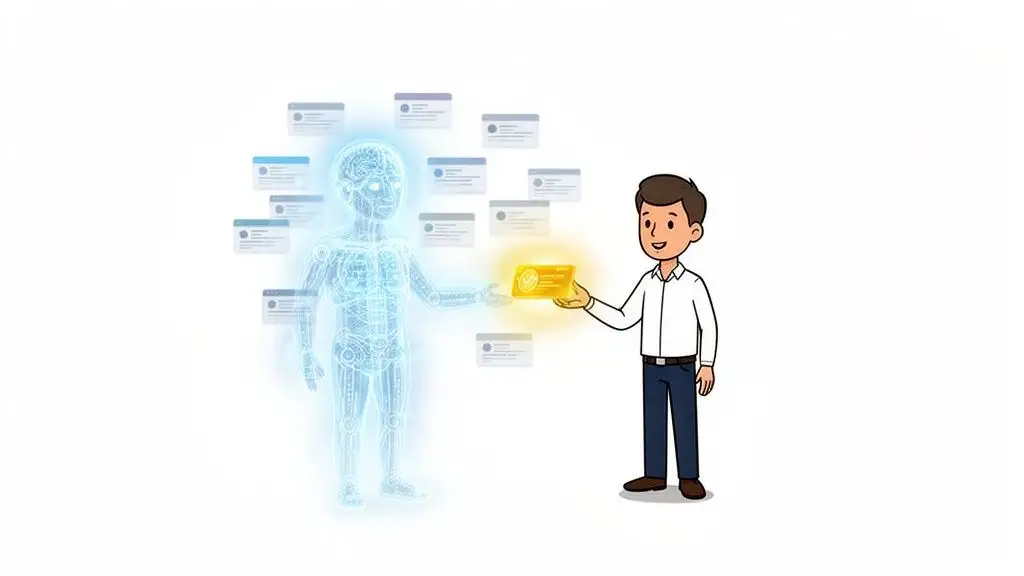
This isn't about making your team obsolete; it's about making them unstoppable.
No, Your Sales Reps Aren't Going Extinct
The whole point of AI in this world is to supercharge your people, not replace them. It's built to take on the mind-numbing, time-sucking tasks that sales reps secretly (or not-so-secretly) hate. We're talking about the endless hours spent digging for contact info, manually updating the CRM, or guessing which of the 500 leads in the pipeline is actually worth a call.
In fact, one study found that sales pros get back an average of 2 hours and 15 minutes every single day by using AI and automation. That's nearly 12 extra hours a week to do what they do best: sell.
So, What's AI Really Doing?
Instead of taking over, AI slots in to handle the grunt work, which is the stuff machines are just plain better at. This frees up your reps to focus on the distinctly human side of sales: building relationships, understanding a customer's real pain points, and closing complex deals.
Here's a quick look at how that actually works:
-
It finds the needles in the haystack. AI tools can scan the entire web for subtle buying signals, like a company hiring for a specific role or a key executive posting about a new initiative, and flag them for you.
-
It does the boring research for you. AI can automatically find and verify contact details, company firmographics, and other critical info, saving your team from hours of "data entry" drudgery. This is a core part of a bigger picture, which you can dive into with our guide on what is sales automation.
-
It tells you who to call next. Using predictive scoring, AI analyzes your best customers and finds new leads that look just like them, ensuring your team is always talking to the most promising prospects.
To put it simply, AI completely flips the script on traditional prospecting.
Manual Prospecting vs AI-Powered Prospecting
This quick comparison shows how AI turns old-school, time-consuming tasks into modern, efficient workflows.
| Traditional Sales Task | How AI Transforms It |
|---|---|
| Guessing which leads are "hot" | Predictive Lead Scoring ranks leads based on their likelihood to convert. |
| Manually searching for contact info | Automated Data Enrichment finds and verifies emails and phone numbers. |
| Browsing news sites for triggers | Intent Signal Monitoring alerts you when a prospect shows buying behavior. |
| Crafting generic outreach emails | Personalization at Scale generates relevant, customized messaging for each lead. |
| Staring at spreadsheets | Intelligent Forecasting predicts future revenue with much higher accuracy. |
By automating the data-heavy lifting, AI lets your reps have smarter, more relevant conversations with the right people at the right time.
The goal of AI in sales is simple: to transform your reps from cold-callers into trusted advisors.
It's about swapping out the low-value activities for high-impact conversations. When your team can focus on strategy and relationships instead of spreadsheets and research, they don't just work harder, they work smarter. And that means bigger, better, and faster deals.
How AI Uncovers Your Next Best Customer
Remember the good old days of sales? You know, the ones filled with stale purchased lists, questionable data, and the soul-crushing sound of a dial tone. It was the professional equivalent of trying to find a needle in a haystack... if the haystack was the size of Texas and the needle might not even be there.
Thankfully, we've moved on. AI has completely flipped the script, turning that giant, messy haystack into a curated collection of high-value prospects who are actually waiting to hear from you. It’s less "smile and dial" and more like having a personal detective who brings you a folder on the perfect suspect every morning.
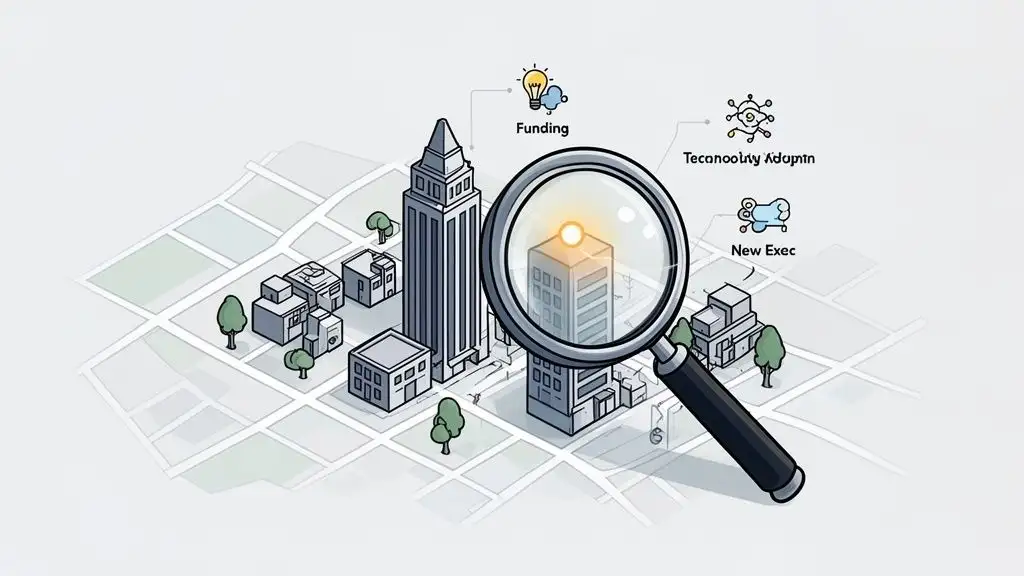
This modern approach isn’t about guesswork or dumb luck. It's about precision, timing, and having the right intel when it matters most.
Finding Leads with Surgical Precision
The first job of a sales AI is to act as your digital scout, constantly scanning the business world for leads that perfectly match your target profile. This all starts with a crystal-clear understanding of who you're actually selling to. If you haven’t already, now is the perfect time to build out your company's foundation with an ideal customer profile template.
Once your AI knows who to look for, it gets to work. It sifts through hundreds of data sources, from company websites and financial news to job boards and social media, to pinpoint companies that fit your criteria like a glove. For example, you can tell it to find B2B SaaS companies in North America with 50-200 employees that use HubSpot and just posted a job for a "Sales Operations Manager." The AI then delivers a list of those exact companies. It’s like having a superpower that filters out all the noise and shows you only the high-value targets.
Decoding the Secret Language of Buyer Intent
Finding the right companies is just the first step. The real magic happens when AI starts looking for intent signals, which are basically digital breadcrumbs prospects leave behind when they're thinking about making a purchase. An AI platform can track these subtle clues across the web, alerting you to critical moments of opportunity.
These aren't vague hints; they are specific, actionable triggers. For example, let's say you sell project management software to marketing agencies. Your AI can ping you when:
-
A target agency lands a new round of funding. That's new money in the bank, and they’re likely looking to scale their operations with better tools.
-
A key executive, like a VP of Marketing, changes jobs. A new leader is 3x more likely to make a major software purchase within their first 90 days.
-
The company starts posting jobs for roles like "Project Manager" or "Operations Lead." This is a neon sign flashing "We're feeling the pain your software solves!"
-
They adopt a complementary technology. If they just started using HubSpot, they might be a perfect fit for your integration.
By tracking these signals, AI doesn't just give you a list of companies. It tells you why you should reach out to them right now. This context is the difference between a cold call and a strategic conversation.
Automating the Grunt Work with Data Enrichment
So, you’ve got a hot list of high-intent companies and the perfect reason to get in touch. What’s next? In the old world, this is where your SDRs would spend hours digging through LinkedIn and company websites, hunting for a valid email address like they're on an episode of CSI.
AI completely automates this tedious process. With automated data enrichment, the platform takes your list of prospects and instantly appends verified contact information, including direct-dial phone numbers and emails with over 95% accuracy. It also fills in other crucial details, such as:
-
Firmographics: Company size, revenue, industry.
-
Technographics: The specific software and tools they use.
-
Employee Data: Job titles and departmental structures.
This ensures your team spends their time selling, not searching. The result is a clean, verified, and high-intent prospect list, delivered on a silver platter and ready for personalized outreach. Your sales team can finally stop being data miners and start being deal closers.
Crafting Outreach That Actually Gets Replies
Let’s be real. That stale, templated outreach email you’ve been blasting out since 2015 has the same success rate as a screen door on a submarine. Prospects can sniff out a copy-paste job from a mile away, and their spam filters are smarter than ever.
This is where AI-powered personalization swoops in to save the day. And no, I'm not just talking about dropping a {FirstName} tag in the greeting and calling it good. That's the sales equivalent of showing up to a party with a flip phone.
True personalization, the kind that actually works, is about using artificial intelligence and sales platforms to generate one-of-a-kind messages that are so relevant, they feel like they were written by hand.
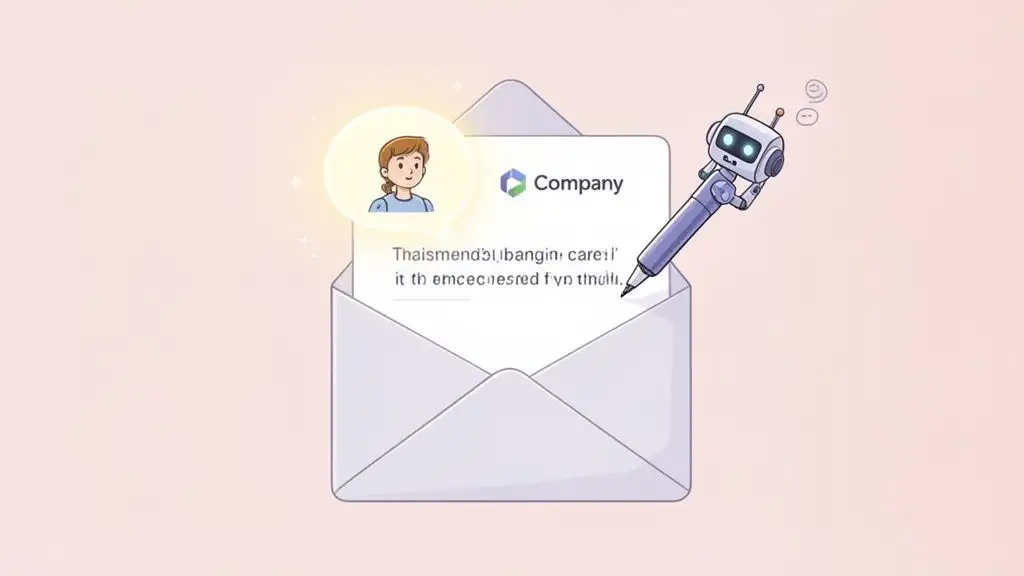
Think of it like having a personal ghostwriter who has already binged your prospect’s entire professional history and is ready to write a hit single about why you two should connect. This is how you escape the spam folder abyss and start booking demos.
Pro Tip: Use Munch to build sharp prospecting lists, enrich their data in a waterfall motion and creaft personalized outreach messages at scale!
Going Beyond the {FirstName} Tag
Modern AI doesn't just pull a name from a CSV file. It dives deep, analyzing all those buying signals and data points you uncovered earlier, and then weaves them into a story that actually makes sense to the reader. It connects the dots between who they are, what their company is up to, and why your solution is the missing piece of their puzzle.
This AI-driven approach tailors messages based on specific, timely events. The result? An email that feels like it came from a human who did their homework, not a robot spitting out generic lines. If you want to really nail this, you should check out our full guide on cold email best practices that still crush it today.
The difference is stark: a generic email asks for a prospect's time, while a hyper-personalized email shows you've already invested your own time in understanding them.
Real-World Examples of AI Personalization
Enough with the theory. Let's look at how this plays out in the wild. An AI sales tool can cook up wildly different, yet equally relevant, outreach for any situation.
Scenario 1: The Company That Just Raised a Series A
Your AI pings you: Acme Corp just locked down $20 million in funding. A generic email would say, "Congrats on the funding!" An AI-powered one goes way deeper.
- AI-Generated Snippet: "Saw the big news about your $20 million Series A. Huge congrats! With that kind of capital, scaling operations is usually priority number one. I noticed you’re also hiring several new sales roles, which often puts a serious strain on existing onboarding processes."
See the difference? This message proves you understand the implications of the funding, not just the headline. You've instantly connected their big win to a business challenge you can solve.
Scenario 2: The Executive Who Just Switched Jobs
A key decision-maker you've been tracking, Jane Doe, just moved from a competitor to a target account. She’s now the VP of Marketing at Innovate Inc.
- AI-Generated Snippet: "Welcome to the team at Innovate Inc! I was really impressed with how you scaled the content program at your last company. New leaders often have a mandate to make a big impact in their first 90 days, and I have a few ideas on how you could replicate that success with Innovate's demand gen."
This is pure gold. It acknowledges her past work and frames your solution in the context of her new role and likely goals. It's timely, specific, and treats her like an individual, not just another name on a list. When you use AI this way, your outreach stops being noise and starts becoming a genuine conversation starter.
Why Your CFO Will Actually Love Sales AI
Let's be honest, your CFO doesn't get excited about shiny new toys. They care about one thing: the bottom line. So, when you pitch another tool for the sales stack, "it's cool" won't fly. You need to build a rock-solid business case, and that's exactly where artificial intelligence and sales platforms shine.
Investing in sales AI isn't just a "nice-to-have" anymore. It's a strategic move with a direct, measurable impact on the metrics that actually matter. We're talking about tangible wins like higher reply rates, shorter sales cycles, bigger deals, and revenue you can actually predict.
It’s the difference between driving a sputtering old clunker and a finely tuned performance machine.
Stop Wasting Time, Start Selling
The most immediate win? Giving your team their time back. Your Sales Development Representatives (SDRs) are skilled, expensive professionals. So why do they spend a huge chunk of their day on grunt work like digging for email addresses, double-checking contact info, and just figuring out who to call next?
This is where AI swoops in. It acts like a tireless research assistant for your whole team, automating the mind-numbing research and data enrichment tasks. Imagine a tool that delivers over 95% email accuracy. That alone kills the soul-crushing guesswork and bounce-backs that plague most outreach efforts.
Think about it: every hour an SDR spends hunting for contact info is an hour they aren't spending crafting a killer message or having a real conversation.
AI gives your most valuable resource, your people, more time to do what they do best: sell. This simple shift is one of the fastest ways to see a direct return on your investment.
When reps trust their data, they move faster and with more confidence. That means more at-bats, which ultimately leads to more closed deals. This isn't just a minor perk; it's a fundamental upgrade to how your team operates.
Ditch the Crystal Ball for Data-Driven Forecasting
For any sales leader, forecasting is a chronic headache. It's usually a messy cocktail of wishful thinking, gut feelings, and those wildly optimistic pipeline reports from the team. Frankly, it’s about as reliable as a groundhog's weather prediction.
AI throws that old playbook out the window. It analyzes historical deal data, prospect engagement, and real-time market signals to produce forecasts that are actually grounded in reality. This lets leaders:
-
Allocate Resources Smarter: For example, the AI might identify that deals in the fintech sector are closing 20% faster than in healthcare, prompting you to shift one SDR's focus to fintech for the next quarter.
-
Set Realistic Quotas: Build targets based on what the data says is possible, not just what you hope for.
-
Make Proactive Moves: Spot pipeline gaps months in advance, not when it’s already too late.
This isn't just about hitting a number; it's about making smarter strategic decisions that ripple across the entire company, from hiring plans to marketing spend.
And this predictive power is becoming non-negotiable. The market for autonomous AI and agent software is on track to hit $11.79 billion by 2026. What’s even crazier? By then, 20% of all B2B transactions are expected to be handled by autonomous agent-led negotiations. To stay in the game, your team needs tools that can think and act just as fast.
The Real Bottom Line: Driving Revenue Growth
At the end of the day, the most powerful argument for sales AI is its direct impact on the top line. Companies that nail their AI integration aren't just saving time, they're outgrowing and outmaneuvering their competitors.
The ROI is a powerful combination of a few key things working together:
-
Higher Reply Rates: Hyper-personalized outreach, powered by AI, cuts through the inbox noise and gets more "yeses," flooding the pipeline with qualified meetings.
-
Shorter Sales Cycles: By flagging high-intent leads and giving reps the perfect talking points, AI helps deals sprint from discovery to close.
-
Increased Deal Sizes: With deeper insights into a prospect’s real needs, your team can spot upselling and cross-selling opportunities that lead to bigger contracts.
When you add it all up, the business case becomes crystal clear. Investing in artificial intelligence and sales is no longer an experiment. It's an essential strategy for any B2B company that's serious about building a predictable, scalable revenue engine.
Getting AI Plugged Into Your Sales Workflow
Alright, so you’re ready to jump in. But how do you actually start? Bringing AI into your sales process isn’t like trying to build a spaceship in your garage. You don't need a massive IT team or a budget that could buy a small island.
This is your roadmap. It’s a practical, step-by-step guide for B2B teams that need to see real, predictable results from their sales efforts. Think of it as the blueprint for building a sales engine that's smarter, faster, and way more effective.
Start With Who You're Actually Selling To
Before you even whisper the word "tool," you have to know who you’re hunting. Seriously. The single biggest mistake teams make is aiming a super-powerful AI at a vague, fuzzy target. That’s like telling your Uber driver "just take me somewhere fun" and hoping you end up at the right party.
Your Ideal Customer Profile (ICP) is the absolute bedrock of your AI strategy. The AI platform needs this blueprint to go out and find the right people, the ones who are actually ready to talk, and craft messages that don't sound like generic spam.
An AI without a clear ICP is just an expensive machine spinning its wheels. It needs a target, otherwise it's just burning through data and getting you nowhere fast.
Get granular. Define your target based on:
-
Firmographics: Company size, industry, annual revenue, and where they're located.
-
Technographics: What tech stack are they already using? (This is gold.)
-
Buying Signals: What just happened that makes them need you right now? Think new funding rounds, a leadership change, or hiring for a specific role.
A razor-sharp ICP ensures your AI is looking for the right needles in the right haystacks.
Choose Your Tools Wisely
The market is absolutely flooded with AI sales tools, and it's easy to get analysis paralysis. You could try to duct-tape together a dozen different single-purpose apps for prospecting, enriching, and personalizing, but that usually ends in a messy, disjointed nightmare. It’s like trying to build a car with parts from a bicycle, a lawnmower, and a toaster. It’s not going to end well.
Instead, look for a unified platform that pulls these core functions together under one roof. A single tool that handles lead discovery, data enrichment, and AI-powered outreach will save you a ton of time, money, and headaches. This is where Munch really shines. It's a single platform to discover and build lead lists, data enrichment and create AI-powered personalized outreach messages.
Don't Forget the Human Element
This is a big one. Bringing AI into the mix isn't just about teaching your team where to click. They need to understand the why behind it all. Your reps should see AI as their trusty sidekick, not some robotic overlord watching their every move.
Focus your training on these key areas:
-
Trusting the Data: Show them how the AI finds high-intent leads and explain why those leads are way more valuable than a random contact they found on LinkedIn. It's about prioritizing based on data, not just gut feelings.
-
Reviewing, Not Replacing: Hammer this home: AI-generated messages are a first draft, not a final copy. Reps need to review, tweak, and add their own human touch before hitting "send."
-
Ethical Outreach: AI can dig up a lot of information. You have to teach your team the fine line between being relevant and being downright creepy. Just because you know a prospect’s dog’s name from their Instagram doesn’t mean it belongs in a cold email.
Set the Right Metrics for Success
Last but not least, you need to know if any of this is actually working. Forget vanity metrics. Focus on the numbers that directly tie to revenue.
-
Lead-to-Meeting Conversion Rate: Is the AI actually finding people who want to talk to you?
-
Positive Reply Rate: Are the AI-personalized messages getting more "Yes, let's chat!" responses than your old templates?
-
Sales Cycle Length: Are deals closing faster because you're starting conversations with the right people at the right time?
-
Data Accuracy: What’s your email bounce rate? A good platform should keep this number exceptionally low, meaning you're not wasting time on dead ends.
Follow these steps, and you can weave AI into your workflow seamlessly. You’ll build a system that generates a predictable pipeline and frees up your team to do what they do best: sell.
Measuring Success and Avoiding Common Pitfalls
So, you’ve decided to bring AI into your sales process. Fantastic. It’s like giving your team a brand-new superpower. But as any comic book fan knows, if you don't learn to control your new powers, you’re more likely to blow a hole in the wall than save the day. Just plugging in an AI tool isn't the win; you have to know what to measure and how to sidestep the traps that turn a smart investment into a very expensive paperweight.
This is where we cut through the noise. Forget vanity metrics. The real proof of an artificial intelligence and sales strategy is found in the Key Performance Indicators (KPIs) that actually move the needle. Your CFO doesn't care about open rates; they want to know if you're booking more qualified meetings and closing deals faster.
Key Metrics That Actually Matter
Don't get bogged down tracking a million different data points. You need to zero in on the numbers that tell you if your AI is a genuine ally or just a shiny object distracting your team.
-
Positive Reply Rate on Personalized Emails: This is your ground-level truth. Are people actually responding positively? If so, your AI-powered messaging is hitting the mark and sounding human, not like a C-3PO knockoff.
-
Lead-to-Opportunity Conversion Rate: This one’s huge. It tells you if your AI is just finding more leads or if it's finding the right ones. When this number climbs, you know your team is spending time with people who can actually buy.
-
Sales Cycle Length: Is AI shrinking the time it takes to get from "nice to meet you" to "welcome aboard"? A shorter sales cycle is one of the clearest signs of major efficiency gains.
This straightforward, three-step framework gives you a great visual for the whole process: defining your goals, plugging in the tech, and then measuring what happens.
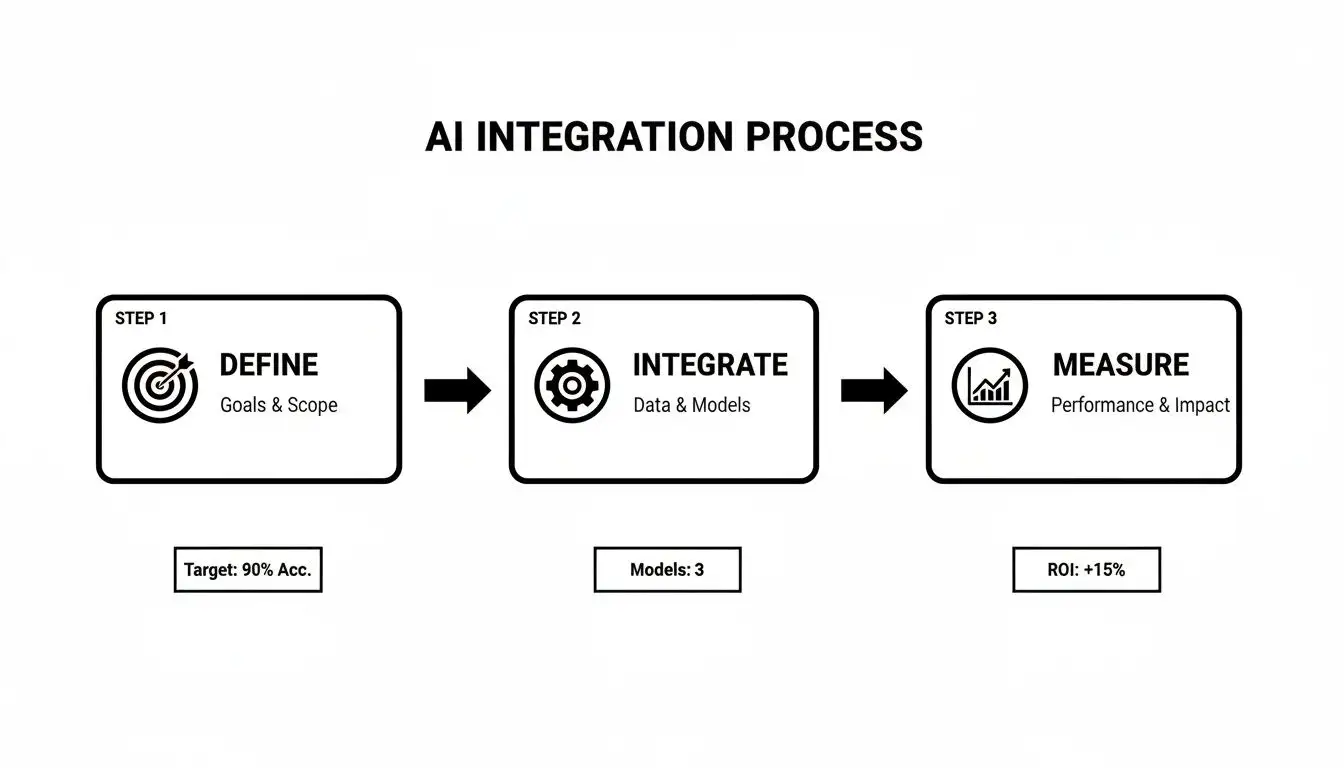
This loop makes it clear that success isn’t a one-and-done setup. It’s a constant cycle of tweaking and improving based on what the real-world numbers are telling you.
Common Pitfalls and How to Dodge Them
Even with the perfect KPIs, it's shockingly easy to trip up. Remember Ross from Friends yelling "Pivot!" while stuck in a stairwell with a couch? Great intentions, disastrous execution. Keep an eye out for these classic blunders.
1. Relying on Bad Data: This is the big one. Your AI is only as good as the information you feed it. If your CRM is a graveyard of duplicate contacts and outdated information, your AI's insights will be garbage. Clean, accurate data isn't just nice to have; it's the entire foundation. For a deeper dive, our guide covers lead scoring best practices that are crucial for keeping your data in shape.
2. Losing the Human Touch: It's so tempting to automate everything, but that's a rookie move. Think of AI as your super-powered intern. It produces a fantastic first draft, but a seasoned pro needs to give it a final polish. Train your reps to review, tweak, and inject their own personality into every AI-assisted message before it ever hits a prospect's inbox.
The goal is to make your reps more human by taking the robotic tasks off their plate, not to turn them into robots.
3. Failing to Iterate: Your first AI campaign is not going to be your masterpiece. I promise. Treat every outreach as a learning opportunity. Test different hooks, play with various value props, and mix up your calls to action. See what works, kill what doesn't, and never stop refining your approach.
Burning Questions About AI in Sales
Got some lingering questions about letting a little artificial intelligence into your sales process? Good. You should. Let's dig into the stuff that sales leaders and reps are really asking before they dive in.
Is AI Coming for My Job?
Let's just get this one out of the way: No. And we'll say it again. No.
AI isn't here to replace your all-star sellers. It's here to give them superpowers. Think of it as the ultimate sales assistant, one that never sleeps, never complains, and actually enjoys sifting through mountains of data.
It takes on the tedious, mind-numbing tasks like manual data entry and prospect research. This frees up your team to do what humans do best: build real connections, tell compelling stories, and close complex deals. In fact, sales reps who embrace AI often find themselves spending 25% more of their time actually selling.
What's This Going to Cost Me?
The price tag on sales AI can be all over the map, but it's not the exclusive toy of Fortune 500 giants anymore. Today's tools are built for teams of all sizes, and many offer flexible plans that grow with you.
Honestly, the better question is, "What's the ROI?" When you start adding up the hours your team gets back, the jump in qualified meetings booked, and the deals that close faster, the investment starts to look like a bargain. Many powerful platforms offer entry-level plans for less than a hundred bucks a month.
Is This a Huge Pain to Set Up?
Not like it used to be. You don't need a data science degree or an army of developers to get this running. The best sales AI platforms are designed for, well, salespeople. That means they’re user-friendly and integrate smoothly with the tools you already live in, like your CRM.
The heaviest lifting isn't technical; it's strategic. The real work is in defining your Ideal Customer Profile with razor-sharp clarity and getting your team excited and trained on using the new tool effectively. The actual tech setup? You can usually knock that out in an afternoon, not a whole quarter.
Your job won't be taken by an AI. It will be taken by a person who knows how to use AI. So, it is very important for sales pros to learn how to use these tools effectively.
The secret is to start with a specific mission. Don't just "buy AI." Instead, set a goal like, "We need to boost our positive reply rate by 15%" or "Let's slash prospect research time in half." When you have a clear target, you adopt the tech with purpose, making the whole process smoother and your wins way easier to track.
Ready to stop guessing and start selling with precision? Munch is the all-in-one sales intelligence platform that unifies lead discovery, data enrichment, and AI-powered personalization. Find high-intent prospects, get verified contact data, and craft outreach that actually gets replies. Start your free trial today.